
Help for HCPC-Registered Professionals Facing Investigation or Fitness to Practise
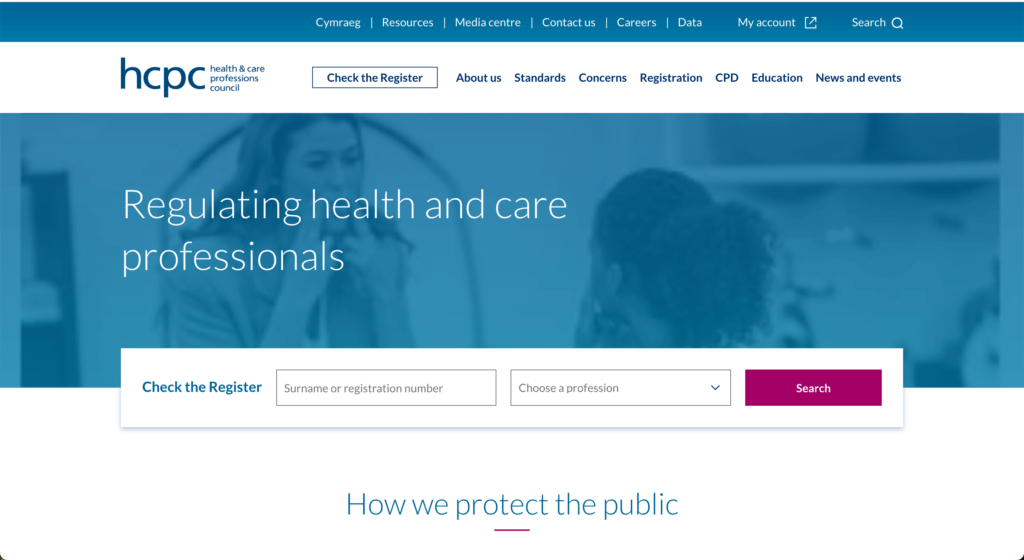
Help for HCPC-Registered Professionals Facing Investigation or Fitness to Practise
Understanding the HCPC Investigation Process
Being contacted by the Health and Care Professions Council (HCPC) about an investigation can be extremely stressful. For many healthcare professionals — including physiotherapists, radiographers, paramedics, occupational therapists, and biomedical scientists — it raises serious concerns about career, registration, and reputation.
The HCPC fitness to practise process is designed to protect the public and maintain professional standards. It investigates whether a registrant’s conduct, performance, or health has affected their ability to practise safely and ethically.
Investigations can involve information requests, witness statements, interim orders, and in some cases, referral to a final hearing. While the process can feel daunting, your response and engagement play a crucial role in shaping the outcome.
Why Reflection and Insight Are Essential
The HCPC expects professionals to show honest insight into what happened and why. Insight means recognising your own role, understanding the impact on others, and demonstrating learning and improvement.
Effective insight involves:
- Accepting responsibility for actions or decisions.
- Recognising the effect on patients, colleagues, and public trust.
- Identifying lessons learned and changes made to practice.
- Taking proactive steps to strengthen professional competence.
A thoughtful reflective statement, supported by structured CPD, can be one of the strongest ways to demonstrate professionalism and accountability.
How to Begin Remediation During Investigation
Even during an active HCPC investigation, you can take meaningful steps to remediate and show genuine improvement.
Proactive remediation demonstrates that you take the process seriously and are committed to safe, high-quality care. This may include:
- Completing CPD-accredited courses on ethics, professionalism, or probity.
- Engaging with a mentor, supervisor, or professional support group.
- Keeping an up-to-date reflective learning log.
- Reviewing your conduct against the HCPC Standards of Conduct, Performance and Ethics.
These actions provide tangible evidence of your development and commitment to ethical, safe practice.
How Probity & Ethics Can Support You
At Probity & Ethics, we provide CPD-certified online courses specifically designed for healthcare professionals facing investigation, remediation, or restrictions.
Our courses are aligned with HCPC expectations and focus on helping you demonstrate insight, reflection, and remediation in a structured, credible way.
Popular courses for HCPC registrants include:
- Fitness to Practise for Healthcare Professionals – understand how regulators assess remediation and readiness to return to safe practice.
- Professionalism for Healthcare Professionals – rebuild trust, accountability, and professional standards.
- Ethics for Healthcare Professionals – explore moral reasoning, integrity, and ethical decision-making.
- Probity and Honesty for Healthcare Professionals – reinforce honesty, transparency, and trustworthiness in practice.
All courses are self-paced, confidential, and suitable for inclusion in HCPC remediation portfolios.
Seeking Professional Advice and Representation
While CPD and reflection are key, professional support is also essential. Speak with your union representative, professional association, or legal adviser for guidance through the process.
Combining expert advice with structured educational learning through Probity & Ethics shows the HCPC that you are engaged, responsible, and willing to improve — exactly what the regulator wants to see.
Key Takeaways
- An HCPC investigation can be stressful, but proactive engagement can make a positive difference.
- Reflection, insight, and remediation demonstrate ongoing fitness to practise.
- Completing targeted CPD in ethics, professionalism, and probity provides verifiable evidence of learning.
- Early, structured action shows responsibility, accountability, and commitment to patient safety.
Take the Next Step
If you are currently facing an HCPC investigation or preparing for a fitness to practise hearing, take action now to demonstrate your professionalism and integrity.
Explore our Online Courses in Ethics, Professionalism, and Fitness to Practise to begin building verifiable evidence of insight and remediation.
Taking these steps today can help protect your registration, strengthen your professional standing, and rebuild confidence in your future practice.